

Cold Brew Coffee Blend: Ratios, Timing, and Why Blends Win
Cold brew is a slow method, and slow methods forgive a lot. Steep coarsely ground coffee in cold water for up to 24 hours and you get a full-bodied, beer-like drink with lower acidity and bitterness than a hot brew. The catch is that not every coffee tastes good after sitting in cold water overnight. That is exactly why so many roasters build a dedicated cold brew coffee blend instead of pointing customers at whatever bag happens to be open.
What a Cold Brew Blend Is Actually For
A cold brew blend exists to smooth out edges. Cold water extracts differently than hot water: it pulls fewer of the sharp, bright acids and more of the deeper, sweeter compounds, so the coffees that shine are the ones with structure rather than sparkle. Chocolate, caramel, molasses, and a roasted backbone all come through beautifully. Delicate floral top notes tend to get quiet.
A roaster building a blend is choosing beans that hold up under a long, gentle soak. The goal is a cup that tastes sweet and full even before you dilute it, and stays that way once ice and water enter the glass.
Why Blends Work Better Than Single Origins for Cold Brew
Single origin coffees are about a specific place and a specific character. That is a strength in a pour over and often a liability in a cold brew. A coffee built around bright, high-toned acidity can read thin or flat after 18 hours in the fridge, because the very thing that made it interesting does not survive the process.
A blend lets a roaster assemble a cup rather than hope for one. One component brings body, another brings sweetness, a third brings aroma. Published cold brew blends show this pattern clearly. One coarse ground blend for cold brew combines Arabica beans from Guatemala, Peru, and Nicaragua. Another, a Cold Brew Reserve, leans on gourmet Arabica beans from Colombia known as supremo beans, named for their size and quality. A third is a South and Central American blend built specifically for cold brew, designed to brew at home with exceptional smoothness and sweetness.
Flavor direction matters too. A house cold brew blend inspired by a blackstrap espresso delivers smooth molasses tones alongside chocolate and caramel. Another well known cold brew leans bold and dark, with roasty, toasty, slightly chocolaty notes. Those are blend outcomes, not accidents.
None of this means single origins are off the table. A Colombian supremo lot can make a fine cold brew when it is roasted and ground with the method in mind. It simply means the roaster has more control when blending, and control is what cold brew rewards.
Ratios: Concentrate to Water
The ratio most people care about is the one at serving time, not brewing time. Cold brew is usually made as a concentrate and then diluted. Most drinkers prefer a concentrate-to-water ratio somewhere between 2:1 and 1:1. If you like stronger coffee, the 2:1 dilution ratio is the one to use.
| Dilution ratio | Result | Best for |
|---|---|---|
| 2:1 | Stronger, more intense cup | Drinkers who want the coffee to lead |
| 1:1 | Milder, more approachable cup | Long sipping, lighter flavor preference |
Treat those two numbers as your working range. Anything stronger than 2:1 starts to taste like a shot rather than a glass, and anything much weaker than 1:1 loses the body that made you brew cold in the first place.
Brewing Ratio and Grind Size
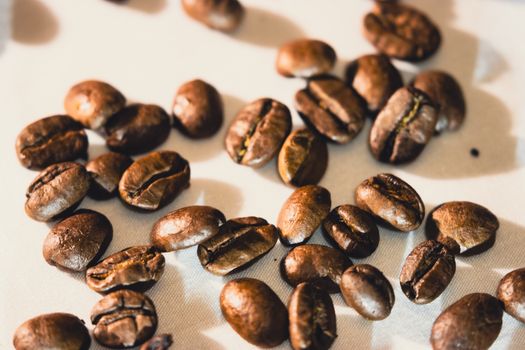
The brewing ratio, meaning coffee to water in the steeping vessel, is not a single universal number. It depends on your equipment, how coarse you grind, and how strong you want the concentrate. Published recipes vary. One example measures 1¼ cups of coarsely ground coffee, around 106 grams, and that quantity is tied to a specific filter brewer. If you are using a different device, follow the device guidance and your roaster's recommendation rather than borrowing a number that was written for someone else's jar.
What does carry across every setup is grind size. Coarse is the target. A coarse grind keeps the bed permeable so water can move through it and keeps fine particles out of your finished cup, which is what turns cold brew muddy. Grinding fine to speed things up is a trade you will notice at the end, because the extra surface area keeps extracting well past the point where you wanted it to stop.
Timing: How Long to Steep
Cold brew steeping runs for up to 24 hours. That is the ceiling rather than the target. Longer contact time means more extraction, and past the sweet spot more extraction means bitterness rather than more flavor. The drink you are aiming for is full-bodied and beer-like, and that character arrives from an even, complete soak, not from leaving the grounds in until they have nothing left to give.
Roast level changes how the clock feels. A bold dark roast, the kind with roasty, toasty, slightly chocolaty flavor, tends to reach a satisfying cup with a more forgiving margin. Lighter lots can go thin or sharp if you push them the full stretch. If you are brewing a new blend for the first time, the smart move is to check it before the 24 hour mark and note how it tastes.
Flavor Notes That Survive Cold Water
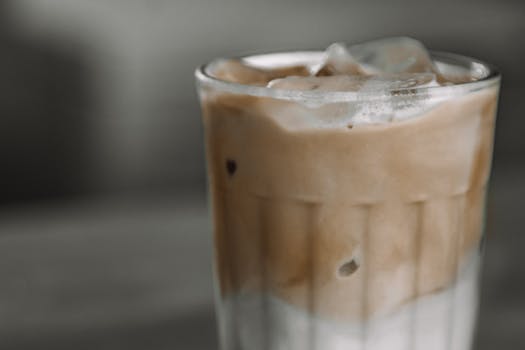
Sweetness is the headline. Molasses, caramel, chocolate, and a soft roasted quality all translate well, which is why so many cold brew blends read like dessert in the bag. Body is the second headline, and it is the reason a blend beats a delicate single origin here. Acidity, the bright citrus and berry edge you might love in a hot cup, gets muted. That is a feature for drinkers who find hot coffee harsh, and a limitation for anyone chasing vivid top notes in a cold glass.
Building Your Own Cold Brew Blend at Home
You do not need a roaster's recipe to experiment. The logic of commercial blends is easy to copy at home.
- Start with a base that brings body and sweetness, ideally a South or Central American coffee with chocolate or caramel leanings.
- Add a smaller portion of something with a different character, whether that is a darker roasted component for depth or a Colombian supremo style bean for a rounder, fuller profile.
- Keep the blend simple. Two or three components give you control. Six components give you a mystery.
- Grind the whole blend coarse and brew it as one batch so the components extract together.
Write down what you used and how long you steeped it. Cold brew blends are easy to repeat once you know which lever changed the cup.
Common Mistakes That Ruin a Good Blend
- Grinding too fine, which clogs the filter and adds bitterness.
- Serving the concentrate straight when you meant to dilute it, then blaming the blend for being too strong.
- Choosing a bright, delicate single origin and expecting blend-level body from it.
- Leaving the grounds in well past the point where the cup tastes right.
- Changing the grind, the ratio, and the steep time all at once and losing track of what worked.

Serving Your Cold Brew
Dilute with cold water to taste, starting at 2:1 if you want strength and moving toward 1:1 if you want something gentler. Milk or cream is a personal call, and the molasses, caramel, and chocolate notes in a well built blend hold up to it better than most. Keep the concentrate covered and chilled, stir it before pouring, and pour it over ice at the last moment so the dilution stays in your control.
Frequently Asked Questions
What coffee blend is best for cold brew?
Look for a blend built around body and sweetness rather than bright acidity. South and Central American components show up often because they bring chocolate and caramel depth. Blends featuring Guatemalan, Peruvian, and Nicaraguan Arabica, or Colombian supremo beans, are common choices, and roasters that label a blend specifically for cold brew have already done that selection work for you.
Can I make cold brew with regular ground coffee?
You can brew with what you have, but grind size matters. Cold brew calls for a coarse grind so water moves through the bed and fine particles stay out of the cup. Pre-ground coffee sold for drip or espresso is usually too fine, which tends to produce a muddier, more bitter result. Grinding coarse just before brewing gives the best outcome.
How strong should cold brew concentrate be?
Most people prefer a concentrate-to-water ratio between 2:1 and 1:1 at serving time, with 2:1 for a stronger cup. The strength of the concentrate itself depends on your brewing ratio, grind, and steep time, so adjust one variable at a time. If the cup tastes thin, dilute less before you change the recipe.
How long should cold brew steep?
The process allows steeping for up to 24 hours. That is a maximum, not a requirement. Longer contact extracts more, and past the right point that means bitterness instead of flavor. Check your batch before the 24 hour mark, note the taste, and use that timing as your baseline for the next batch.
Do I have to dilute cold brew?
Only if you brewed a concentrate. Cold brew made at a full-strength brewing ratio can be poured as is. If your batch is intense, syrupy, or overwhelming over ice, it is a concentrate and wants water. Start at 2:1, taste, and work toward 1:1 until the cup lands where you want it.