

Single Origin Sumatra Coffee: Why It Tastes Dark and Earthy
Open a bag of single origin Sumatra coffee and the smell arrives before the first sip. Damp earth, cocoa, a faint smoke, something sweet sitting underneath all of it. It is one of the most recognizable flavor profiles in coffee and one of the most misunderstood. People call it strong when what they usually mean is dark, heavy, and low in acidity. Those qualities come from a combination of where the coffee grows, how the beans are handled, and how far the roaster takes them.
What follows is a plain explanation of what is actually behind that earthy character, what the common tasting notes mean in practice, and how to get more out of a bag once it lands in your kitchen.
What Single Origin Actually Means on a Coffee Bag
A single origin coffee comes from one place. When a bag names only one country on it, it is usually not a blend, it is a single origin. That distinction matters with Sumatra because the island's profile is distinctive enough that roasters often sell it on its own rather than tucking it into a blend.
Single origin does not automatically mean better quality, and it does not mean every bean came from one single farm. It means the beans share a common source, whether that is a region, a cooperative, or an estate. What you get is a consistent character, so the cup tastes like Sumatra rather than like a committee decision.
Blends have their place. A roaster can use one to round off sharp edges or build a flavor no single coffee delivers alone. But if you want to understand what Sumatra tastes like as a place, you buy it by itself.
Where Sumatra Coffee Comes From
Sumatra is one of the Indonesian islands responsible for a large share of the coffee that comes out of Indonesia. Some lots are sold as fair trade, organic, shade-grown arabica coffee from the Kokowagayo small farmer cooperative in Sumatra, Indonesia. Cooperative growing like this is common on the island, where smallholders work relatively small plots, often beneath shade trees rather than in open sun.
Arabica grown at origins like this tends to carry sweetness and fruit along with its heavier notes. Roasters describing Sumatra lots point to stone fruit, sweetness, and a light smoke note sitting alongside the deep bass notes people expect from the island. That combination is a big part of why Sumatra reads as complex instead of simply dark.

Why Sumatra Tastes Earthy and Dark
Three things do most of the work: the roast level, the natural body of the coffee, and the earthy flavors that show up in the cup.
Roast Level Does Most of the Heavy Lifting
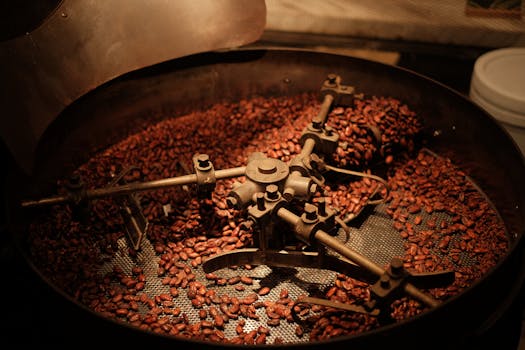
Sumatra is frequently roasted dark. One common example is an Italian Roast Sumatra, described with full flavor tones of caramel and chocolate, light acidity, and earthy undertones. Italian roast sits near the dark end of the spectrum, which means the sugars inside the bean have been pushed far enough to build bittersweet cocoa and caramel flavors instead of the bright fruit a light roast would show.
That is the short answer to why Sumatra tastes dark. The origin has the structure for it, and the roast finishes the job.
Body, Low Acidity, and a Creamy Texture
Sumatran coffee is often described as creamy and sweet with a touch of butterscotch and spice. Creamy is the key word, and it refers to mouthfeel, the physical weight of the coffee on your tongue, not to anything added to the cup. A heavy-bodied coffee coats the mouth and lingers, and that weight is a large part of why people find Sumatra comforting.
Pair that weight with the light acidity typical of dark roasted Sumatra and you get something that feels smooth rather than sharp. If you normally add milk to soften a bright coffee, Sumatra may not need the help.
Earth, Smoke, and Savory Undertones
Earthy is a literal descriptor here. It is the flavor of damp soil, forest floor, dried herbs, and sometimes cedar or tobacco. Some Sumatra lots carry a light smoke note layered on top. None of that is a flaw in the bean. It is the profile that made the origin famous, and it is why Sumatra turns up in cold-weather coffee writing as a winter cup, rich and earthy and balanced for chilly mornings.
Common Flavor Notes in Single Origin Sumatra
The vocabulary on a Sumatra bag can sound abstract, so here is what the usual descriptors translate to once the coffee is in front of you.
Earthy: damp soil and forest floor, savory rather than sweet
Caramel and chocolate: bittersweet notes created by a long, dark roast
Butterscotch: a soft, rounded sweetness that sits on top of the cocoa
Stone fruit: the gentle fruit sweetness that survives even a dark roast
Light smoke: a subtle campfire edge in the finish
Spice: a warming, slightly peppery sensation on the back of the tongue
Sumatra Roast Levels and What They Change
Roast names are not standardized across the industry, so the most useful thing you can do is read the roast level on the listing rather than assume from the label. A dark roast and a medium roast of the same Sumatra can taste like two different coffees.
Roast |
Typical character |
|---|---|
Italian Roast |
Full caramel and chocolate tones, light acidity, earthy undertones |
Viennese Roast |
Fair trade, organic, shade-grown Sumatran lots described with stone fruit, sweetness, and light smoke |
Both sit on the darker side of the range, and both keep the earthy core intact. A medium roast of the same origin will usually bring more fruit forward and dial the smoke back. Neither is the right answer for everyone. It depends on whether you want the earthiness front and center or playing a supporting role.
How to Brew a Dark, Earthy Sumatra
Dark roasts extract quickly compared to lighter ones. The practical implication is that Sumatra is easy to over-extract, and over-extracted dark coffee tastes ashy and bitter rather than rich. If your cup has a burned, hollow edge to it, the fix is usually coarser grinding, a shorter brew time, or slightly cooler water.
For most brewing methods, water just off the boil works well with a dark roast. If you are using a French press or drip machine, start with a grind that looks like coarse sand and adjust from there. If the coffee tastes thin or sour, go finer. If it tastes harsh, go coarser. Small adjustments move the cup more than people expect.
Because Sumatra is heavy-bodied and low in acidity, it holds up well with a splash of milk or cream without losing its identity. It also works nicely in a moka pot or espresso setup, where the chocolate and butterscotch notes come through with more intensity.
Buying Sumatra That Still Tastes Fresh
Earthiness fades faster than most people realize. Once coffee is roasted, the aromatic compounds behind those deep, savory notes begin to dissipate, and a bag that has been sitting on a shelf for months will taste flat no matter how good the green coffee was.
Two habits help. First, look for a roast date on the bag rather than a best-by date. Second, buy whole bean and grind just before brewing when you can. Pre-ground coffee has far more surface area exposed to air, so it stales noticeably faster. If you do buy ground, choose the grind that matches your brewer and use the bag within a few weeks.
Bat Coffee roasts to order and ships fresh, and Sumatra sits on the single origin lineup alongside Costa Rica, Bali Blue, Honduras, Mexico, and Colombia. Ordering roasted to order is the simplest way to make sure the earthy notes are still where they should be when the bag arrives. Free US shipping applies to coffee orders, and there is currently a LAUNCH15 discount code for 15% off.

Single Origin Sumatra vs a Sumatra Blend
The difference is dilution. In a blend, Sumatra is one voice among several, and a roaster might use it specifically for body and depth while letting another origin handle brightness or aroma. That can produce an excellent everyday coffee, but the earthy punch is softened by whatever it is paired with.
Single origin Sumatra keeps the full profile intact. If you already know you like that damp, cocoa-heavy, low-acid style, a blend will feel like it is holding something back. If you are newer to the origin and not sure how much earthiness you want, a blend is a gentler entry point, and a single origin bag is the honest test of whether the flavor is for you.
Frequently Asked Questions
What does single origin Sumatra coffee taste like?
Expect rich, earthy flavors with caramel and chocolate, light acidity, and a heavy, creamy body. Many drinkers also pick up butterscotch, spice, and a faint smoke note. The fruit is there too, usually described as stone fruit, but it sits behind the cocoa and earth rather than in front of them. It is a smooth, low-acid cup overall.
Is Sumatra coffee stronger than other coffees?
Stronger is usually describing flavor intensity and body rather than caffeine. Sumatra tends to taste bold because it is often roasted dark and brews into a heavy, coating cup with low acidity. If you want a coffee that stands up to milk and cold mornings, it delivers that impression of strength even when the caffeine level is unremarkable.
How do I know if a bag is truly single origin?
Check the label for one named country or region. When a bag lists only one country on it, it is usually not a blend, it is a single origin. If the packaging lists several countries or simply says something like breakfast blend, you are looking at a blend, and any Sumatra in it is only part of the picture.
What is the best way to brew Sumatra coffee?
Use water just off the boil and a grind suited to your brewer, then adjust based on taste. Dark roasted Sumatra extracts quickly, so if the cup tastes ashy or bitter, grind coarser or shorten the brew time. If it tastes thin or sour, grind finer. French press, drip, and moka pot all work well with this coffee.
Does Sumatra coffee need milk or sugar?
No, and many drinkers prefer it black because the creamy body and low acidity make it approachable on its own. That said, the chocolate and butterscotch notes hold up nicely with a splash of milk or cream, so it is a forgiving coffee either way. Sweetener is a personal call rather than a requirement.